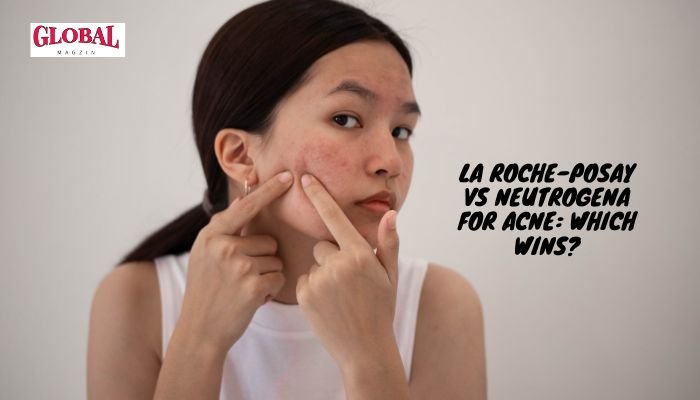
Your skin doesn’t check your schedule before it breaks out. It picks the morning of your presentation, or the night before a first date. Acne affects close to 85% of people at some point between the teen years and their mid-20s, and college adds fuel: stress, dorm pillows, cafeteria food, and skincare routines that get skipped after midnight.
If you’ve searched for help, you’ve seen the same two names everywhere: La Roche-Posay and Neutrogena. They’re not the same product with different labels. They’re built on different priorities, and picking the wrong one for your skin can mean paying more for something too gentle to touch your acne, or saving money on something that leaves your face red and peeling by week two.
I Am a College Student. Are La Roche-Posay Products Better for Acne-Prone Skin Than Neutrogena? (Quick Answer)
La Roche-Posay usually wins for sensitive, easily irritated acne-prone skin because its Effaclar line pairs proven actives with barrier-supporting ingredients like niacinamide, while Neutrogena usually wins for oily, budget-conscious skin because its 2% salicylic acid and 10% benzoyl peroxide formulas treat breakouts fast and cost less per ounce.
Neither brand is “better” as a blanket rule. La Roche-Posay treats acne while trying to protect your skin barrier at the same time. Neutrogena treats acne first and worries about comfort second. Your acne type, your budget, and how reactive your skin already is decide the real winner.
The rest of this guide breaks down the actual ingredients, the actual products, and the actual mistakes that make college acne worse, so you can pick with confidence instead of guessing.
What Actually Causes Breakouts in College?
Acne starts when a pore gets clogged with oil, dead skin, and bacteria. Stress raises cortisol, and cortisol tells your skin to produce more oil. Late nights mess with your skin’s repair cycle. Dorm pillowcases and dirty phone screens add bacteria back onto skin you just cleaned.
Both brands fight the same root causes. They just use different tools to do it.
How Do La Roche-Posay and Neutrogena’s Ingredients Really Compare?
This is the part most comparison articles skip. Here’s what’s actually in the bottle, not just marketing language.
| Active Ingredient | Found In | Brand | What It Does |
|---|---|---|---|
| Adapalene 0.1% | Effaclar Adapalene Gel 0.1% | La Roche-Posay | FDA-approved retinoid; speeds up cell turnover and stops pores from clogging in the first place |
| Benzoyl peroxide 4% | Effaclar Duo Dual Action Cleanser | La Roche-Posay | Kills acne-causing bacteria at a gentler strength |
| Niacinamide + salicylic acid | Effaclar Duo(+) | La Roche-Posay | Calms redness while gently unclogging pores |
| Salicylic acid 2% | Oil-Free Acne Wash | Neutrogena | Exfoliates inside the pore, treats blackheads and whiteheads |
| Benzoyl peroxide 10% | Rapid Clear Stubborn Acne Spot Gel | Neutrogena | The strongest benzoyl peroxide strength sold without a prescription |
Adapalene at 0.1% became available over the counter in the US back in 2016. La Roche-Posay’s version hit shelves in 2019, so you’re getting a prescription-grade retinoid at a drugstore price point. Neutrogena doesn’t currently sell an adapalene product, so if a retinoid is what your acne needs, La Roche-Posay is your option here.
Neutrogena, on the other hand, holds the strength advantage on benzoyl peroxide. 10% is the ceiling for over-the-counter products. That’s real firepower, but it also means a real risk of dryness if you overuse it.
Which Brand Wins for Sensitive, Easily Irritated Skin?
If your face turns red after a new product, or stings after cleansing, La Roche-Posay usually fits better. Its Effaclar line is fragrance-free, built around thermal spring water, and formulated with niacinamide to calm redness while the active ingredients do their job. The brand’s whole approach is treating acne without wrecking the skin barrier in the process.
Neutrogena products aren’t harsh by design, but some of the stronger acne-fighting formulas (especially the 10% benzoyl peroxide spot gel) can feel intense on skin that’s already reactive.
Which Brand Wins for Oily, Breakout-Prone Skin?
For skin that’s oily but not especially sensitive, Neutrogena often edges ahead. Its salicylic acid and benzoyl peroxide formulas are built for speed and oil control, not for babying the skin barrier. If your acne is stubborn and your skin can handle a stronger active without turning into a dry, flaky mess, Neutrogena’s Rapid Clear line is built exactly for that.
La Roche-Posay still works well on oily skin. It just leans a little more toward long-term skin health over a fast, aggressive fix.
Read: Olay vs L’Oréal Moisturizer: Which One Fits a Working Mom’s Skin?
How Long Until You Actually See Results?
Nobody clears up overnight, and any product promising that is overselling it.
| Ingredient | Early Signs | Real Results |
|---|---|---|
| Salicylic acid 2% | 1 to 2 weeks | 8 to 12 weeks of consistent use |
| Benzoyl peroxide (4% or 10%) | Days to 1 week | 4 to 8 weeks |
| Adapalene 0.1% | Skin may purge for 2 to 4 weeks first | 8 to 12 weeks for full results |
That “purge” period with adapalene is normal and it’s the single biggest reason college students quit a product too early. Your skin often looks worse before it looks better because the retinoid is pushing existing clogged material to the surface faster. Stick with it through week four before deciding it’s not working.
What Should You Actually Buy From Each Brand?
| Product | Brand | Key Active | Best For |
|---|---|---|---|
| Effaclar Adapalene Gel 0.1% | La Roche-Posay | Adapalene 0.1% | Preventing new breakouts long-term |
| Effaclar Duo(+) | La Roche-Posay | Niacinamide, salicylic acid | Daily use on sensitive, acne-prone skin |
| Effaclar Duo Dual Action Cleanser | La Roche-Posay | Benzoyl peroxide 4% | Gentle daily acne cleansing |
| Oil-Free Acne Wash | Neutrogena | Salicylic acid 2% | Everyday cleanser for oily, breakout-prone skin |
| Rapid Clear Stubborn Acne Spot Gel | Neutrogena | Benzoyl peroxide 10% | Fast spot-treating a stubborn pimple |
Prices shift often between retailers and change with sales, so check the current price before you buy (verify live). As a general rule, Neutrogena costs less per ounce, and La Roche-Posay sits at a higher price point across most of its Effaclar line.
How Do You Build a Dorm-Room Routine on a Student Budget?
You don’t need ten products. You need three steps, done consistently.
Morning:
- Cleanse with a gentle acne wash (Oil-Free Acne Wash or Effaclar Duo Dual Action Cleanser).
- Apply an oil-free, non-comedogenic moisturizer.
- Apply SPF 30 or higher. Skip this step and any acne progress gets undone by sun damage.
Night:
- Cleanse again to remove the day’s oil and grime.
- Apply one treatment only, either a spot gel or adapalene, never both the same night.
- Moisturize.
That’s it. More steps usually means more irritation, not more clear skin.
What Mistakes Make College Acne Worse?
- Mixing benzoyl peroxide and adapalene in the same routine without easing in. Both can dry out skin. Used together too soon, they often cause peeling and redness that looks like an allergic reaction.
- Skipping the patch test before finals week. Test any new product on your jaw for three days before going all-in on your face, especially right before something important.
- Sleeping on the same pillowcase for two weeks straight. Oil and bacteria build up fast. Swap or flip it every few days.
- Wiping your phone screen never. It touches your cheek all day and rarely gets cleaned.
- Over-washing your face. Two cleanses a day is enough. More than that strips your skin and can trigger more oil production, not less.
What Are the Pros and Cons of Each Brand?
| La Roche-Posay | Neutrogena | |
|---|---|---|
| Pros | Gentle on sensitive skin, barrier-supporting ingredients, includes an OTC adapalene option | Lower cost, widely available, strongest OTC benzoyl peroxide strength |
| Cons | Higher price, smaller shelf presence at some drugstores | Can dry out reactive skin, no adapalene product in the current lineup |
Which Brand Should You Choose Based on Your Skin?
Choose La Roche-Posay if your skin is sensitive, gets red or irritated easily, or if you want a retinoid without a prescription visit. Choose Neutrogena if your main goal is fighting active breakouts fast, your budget is tight, and your skin tolerates stronger actives without much fuss.
Plenty of students actually use both: a Neutrogena cleanser in the morning to control oil, and an Effaclar product at night for the gentler, longer-term treatment. Mixing brands isn’t a problem. Mixing too many strong actives at once is.
Final Verdict
For sensitive, easily irritated acne-prone skin, La Roche-Posay has the edge because it treats breakouts while protecting the skin barrier at the same time. For oily skin on a tight budget, Neutrogena remains one of the strongest value picks in any drugstore, with the highest OTC benzoyl peroxide strength available. Your skin type decides the winner more than the brand name does.
Give whichever routine you choose a full eight weeks before judging it. Most acne treatments need that long to show their real results, and switching every two weeks just resets the clock.
Frequently Asked Questions
Is La Roche-Posay better than Neutrogena for acne?
For sensitive or easily irritated skin, yes, La Roche-Posay tends to perform better because its formulas balance acne treatment with barrier support. For oily, resilient skin on a budget, Neutrogena often performs just as well for less money.
Which brand is better for sensitive acne-prone skin?
La Roche-Posay. Its Effaclar line is fragrance-free and built specifically around calming ingredients like niacinamide, which matters when your skin reacts easily.
Is Neutrogena good for college students?
Yes. It’s affordable, sold in nearly every pharmacy and grocery store, and its Oil-Free Acne Wash and Rapid Clear Spot Gel are effective, well-established acne products.
Which brand helps oily skin more?
Neutrogena usually has the edge for very oily skin, thanks to its higher benzoyl peroxide strength and salicylic acid formulas built for oil control.
Why is La Roche-Posay more expensive?
It’s positioned as a dermatologist-focused, French pharmacy brand, with formulas built around barrier support and sensitive-skin testing, which pushes the price above most Neutrogena products.
Can I use La Roche-Posay and Neutrogena together?
Yes. Many people use a Neutrogena cleanser alongside a La Roche-Posay treatment. Just avoid stacking multiple strong actives, like benzoyl peroxide and adapalene, in the same routine without easing in slowly.
How long does it take to see results from either brand?
Salicylic acid and benzoyl peroxide typically show early improvement in one to two weeks, with full results by eight to twelve weeks. Adapalene often causes a purge period first, with real results by week eight to twelve.
Should I start with La Roche-Posay or Neutrogena?
Start with Neutrogena if your budget is tight and your skin isn’t especially reactive. Start with La Roche-Posay if your skin is sensitive or you want an OTC retinoid option like adapalene.