
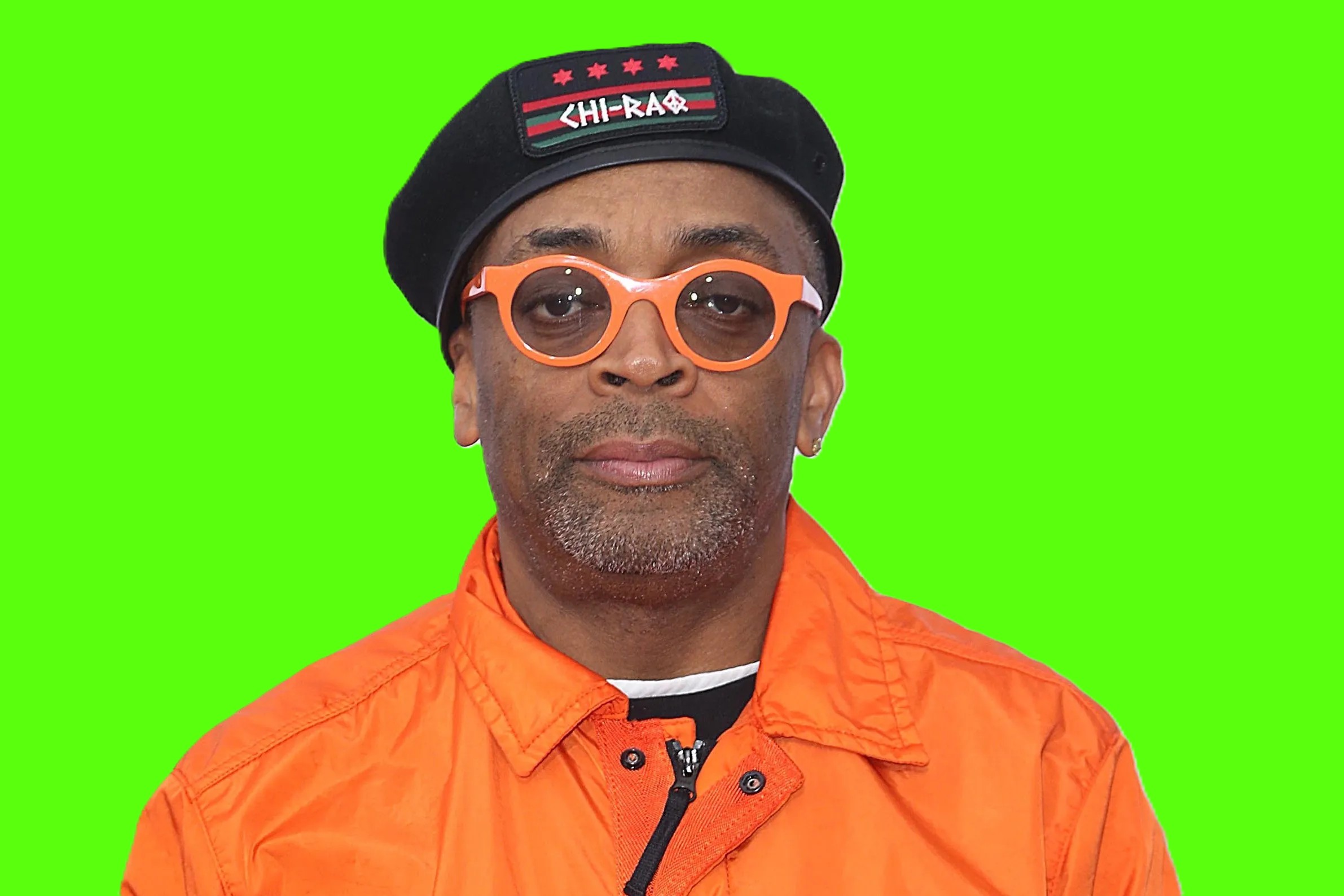
Spike Lee stands as one of the most influential filmmakers in cinema history. With a career spanning over four decades, this Brooklyn-born director has not only shaped American film but also built substantial wealth in the process. But exactly how much is Spike Lee worth in 2026? Let’s dive deep into the life, career, and fortune of this legendary director.
Quick Facts: Spike Lee at a Glance
| Full Name | Shelton Jackson Lee |
|---|---|
| Known As | Spike Lee |
| Net Worth (2026) | $60 Million |
| Age (2026) | 68 Years Old |
| Date of Birth | March 20, 1957 |
| Birthplace | Atlanta, Georgia, USA |
| Height | 5 feet 5 inches (1.68 meters) |
| Nationality | American |
| Profession | Film Director, Producer, Screenwriter, Actor, Professor |
| Spouse | Tonya Lewis Lee (married since 1993) |
| Children | Two – Satchel Lee & Jackson Lee |
| Production Company | 40 Acres and a Mule Filmworks |
| Education | Morehouse College (BA), NYU Tisch School of the Arts (MFA) |
| Current Role | Tenured Professor at NYU Tisch School of the Arts |
What is Spike Lee Net Worth in 2026?
As of 2026, Spike Lee net worth is estimated at $60 million. This impressive fortune comes from multiple income streams including film directing, producing, screenwriting, commercial work, teaching, and smart real estate investments. Unlike many directors who rely solely on studio deals, Lee built his wealth through independent filmmaking, brand partnerships, and maintaining ownership of his production company.
His net worth reflects not just box office success but also the cultural impact of his work. Over his career, Lee’s films have grossed over $587 million worldwide as a director, with total projects involving him exceeding $1.8 billion at the global box office.
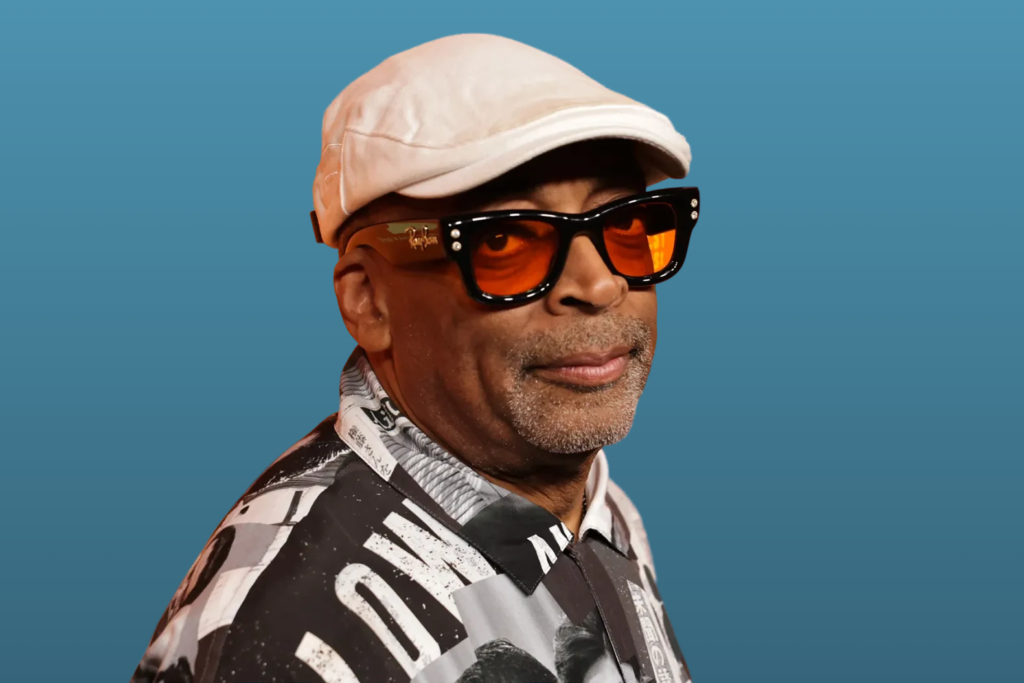
Early Life: From Atlanta to Brooklyn
Spike Lee was born Shelton Jackson Lee on March 20, 1957, in Atlanta, Georgia. His childhood laid the foundation for his future success in the arts. His father, William James Edward Lee III (known as Bill Lee), was a talented jazz musician and composer who instilled in young Spike a deep appreciation for creative expression. His mother, Jacqueline Carroll, taught arts and Black literature, exposing him to the cultural richness that would later define his films.
The nickname “Spike” came from his mother during his childhood, a name that would become synonymous with bold, unapologetic filmmaking. When Spike was still young, his family relocated to Brooklyn’s Fort Greene neighborhood in New York. This move proved pivotal—Fort Greene was a vibrant hub of Black creativity and culture, and the neighborhood’s influence appears throughout Lee’s body of work.
Growing up in Brooklyn during the 1960s and 70s, Lee witnessed racial tensions, urban life, and the birth of hip-hop culture firsthand. These experiences shaped his perspective and would later become central themes in his films. He attended John Dewey High School in Brooklyn, where he began developing his artistic voice.
Education: Building a Filmmaker’s Foundation
Spike Lee’s education journey demonstrates the importance he placed on formal training and cultural grounding. Unlike directors who stumbled into filmmaking, Lee pursued it deliberately through respected institutions.
Morehouse College: The HBCU Experience
After high school, Lee enrolled at Morehouse College in Atlanta, one of America’s most prestigious historically Black colleges and universities (HBCUs). At Morehouse, he studied mass communications and graduated with a Bachelor of Arts degree. This HBCU experience was transformative—it surrounded Lee with Black excellence, intellectual rigor, and a sense of cultural purpose that would inform his entire career.
During his time at Morehouse, Lee created his first student film, “Last Hustle in Brooklyn,” which showed early signs of his distinctive style and interest in urban Black life. The supportive environment at Morehouse encouraged his ambitions and connected him with a network of talented Black professionals.
NYU Tisch School of the Arts: Master Filmmaker
After graduating from Morehouse, Lee returned to New York to pursue graduate studies at New York University’s prestigious Tisch School of the Arts. He earned his Master of Fine Arts (MFA) degree in film and television in 1978, studying under renowned instructors and honing his technical craft.
At NYU, Lee made waves with his thesis film “Joe’s Bed-Stuy Barbershop: We Cut Heads.” This student project became the first student film ever showcased at Lincoln Center’s New Directors/New Films Festival—a remarkable achievement that foreshadowed his future success. The film won the Student Academy Award from the Academy of Motion Picture Arts and Sciences, establishing Lee as a filmmaker to watch.
His NYU education provided him with the technical skills to match his creative vision, from cinematography to editing to sound design. More importantly, it gave him the confidence to forge his own path in an industry that had historically marginalized Black voices.
Height and Physical Appearance
Standing at 5 feet 5 inches (1.68 meters) tall, Spike Lee’s physical stature has never diminished his towering presence in the film industry. He’s known for his distinctive style, often sporting colorful clothing, his signature eyeglasses, and New York Knicks gear. His fashion choices reflect his personality—bold, unapologetic, and deeply rooted in New York culture.
Lee’s height has occasionally been a topic of discussion in media, but he’s never let it define him. Instead, his confidence, talent, and artistic vision have always been his defining characteristics. His appearance on film sets and at public events is unmistakable, often seen wearing vibrant colors and making strong fashion statements that mirror the boldness of his films.
Career Journey: From She’s Gotta Have It to Hollywood Icon
The Independent Film Breakthrough (1985-1989)
Spike Lee’s career began with determination and hustle. In 1985, after struggling to secure studio backing, he decided to make his first feature film independently. With a modest budget of just $175,000 (raised through grants, personal funds, and support from family and friends), Lee wrote, directed, and edited “She’s Gotta Have It.”
Shot in just 12 days using black-and-white film (with one color sequence), the movie told the story of Nola Darling, a young Black woman navigating relationships with three men. The film was fresh, honest, and unlike anything Hollywood was producing at the time. When it was released in 1986, “She’s Gotta Have It” became a surprise hit, grossing over $7 million at the box office—a remarkable 40-to-1 return on investment.
This success launched Lee’s career and established his production company, 40 Acres and a Mule Filmworks (named after the unfulfilled promise made to freed slaves after the Civil War). The company would go on to produce more than 35 films and become one of the most respected independent production houses in America.
Lee followed up with “School Daze” (1988), exploring colorism and social divisions at a Black college, and then “Do the Right Thing” (1989), his breakthrough masterpiece. Set during one hot summer day in Brooklyn, “Do the Right Thing” tackled race relations, police brutality, and urban tension with unflinching honesty. The film earned Lee his first Academy Award nomination for Best Original Screenplay and cemented his reputation as a fearless filmmaker willing to address controversial subjects.
Career Milestones and Major Films (1990-2010)
The 1990s saw Lee produce his most ambitious and commercially successful work:
“Mo’ Better Blues” (1990) starred Denzel Washington as a jazz trumpeter and explored themes of art, relationships, and ambition. Despite some controversy over its portrayal of Jewish characters, the film was a commercial success.
“Jungle Fever” (1991) examined interracial relationships through the story of a Black architect and his Italian-American secretary. The film sparked important conversations about race, colorism, and social boundaries.
“Malcolm X” (1992) represented Lee’s most ambitious project to date. The three-hour-plus biographical epic starred Denzel Washington in an Oscar-nominated performance as the civil rights icon. Lee reportedly earned $3 million to direct “Malcolm X,” his highest directorial fee to that point. The film was both a critical success and cultural landmark, grossing $48 million domestically and introducing Malcolm X’s story to a new generation.
Throughout the 1990s and 2000s, Lee continued producing consistently excellent work. “Crooklyn” (1994) was a semi-autobiographical look at his Brooklyn childhood. “He Got Game” (1998) starred Denzel Washington as a prison inmate trying to convince his son, a top basketball recruit, to attend a specific college. “25th Hour” (2002) was a post-9/11 meditation on New York City and redemption.
“Inside Man” (2006) became Lee’s highest-grossing film ever, earning $186 million worldwide. This heist thriller starring Denzel Washington, Clive Owen, and Jodie Foster showed Lee could work within genre conventions while maintaining his distinctive style.
Awards, Recognition, and Recent Success (2011-2026)
After decades of creating influential films, the Academy of Motion Picture Arts and Sciences finally gave Lee his due recognition. In 2015, he received an honorary Oscar for his contributions to cinema, acknowledging his role as a trailblazer for Black filmmakers.
The recognition continued in 2018 when Lee directed “BlacKkKlansman,” based on the true story of a Black police detective who infiltrated the Ku Klux Klan. The film premiered at the Cannes Film Festival, where it won the Grand Prix (second-highest prize). At the 2019 Academy Awards, Lee received his first Oscar nomination for Best Director and won his first competitive Academy Award for Best Adapted Screenplay.
In 2020, Lee directed “Da 5 Bloods” for Netflix, a Vietnam War film about Black veterans returning to retrieve buried treasure and fallen comrades. The film was widely acclaimed and further demonstrated Lee’s continued relevance and artistic power.
Lee recently signed a multi-year deal with Netflix to direct and produce more films for the streaming platform, ensuring his work reaches global audiences and adding significantly to his net worth. He remains active in 2026, developing new projects that continue to push boundaries and tell important stories.
How Spike Lee Built His $60 Million Fortune
Film Directing and Production
The bulk of Lee’s wealth comes from his work as a director and producer. By founding 40 Acres and a Mule Filmworks in 1986, Lee maintained creative control and ownership of his projects. This ownership means he continues earning royalties from his films through various distribution channels including streaming platforms, cable television, and home video sales.
Beyond his directorial fees (which have ranged from hundreds of thousands for independent films to millions for studio projects), Lee earns backend points—a percentage of the profits his films generate. With over 35 films produced through his company, these revenue streams add up substantially.
Screenwriting and Royalties
As a credited writer on most of his films, Lee earns additional income through screenwriting fees and residuals. His Academy Award win for Best Adapted Screenplay for “BlacKkKlansman” boosted his profile and likely increased his fees for future writing work.
Commercial Work and Brand Partnerships
One of Lee’s smartest financial moves was embracing commercial work. In the late 1980s, he created a series of iconic Nike commercials featuring his character Mars Blackmon (from “She’s Gotta Have It”) alongside basketball legend Michael Jordan. These commercials not only generated substantial income but also increased his mainstream visibility.
The Mars Blackmon character’s catchphrase “It’s gotta be the shoes!” became part of pop culture and helped establish Nike’s Air Jordan brand. Lee has directed commercials for numerous major brands including Levi’s, Jaguar, Taco Bell, Ben & Jerry’s, and Converse, earning millions from commercial directing over his career.
Teaching and Academic Career
Since 1993, Spike Lee has been on the faculty at NYU’s Tisch School of the Arts, where he once studied. He’s now a tenured professor and serves as artistic director of the graduate film program. While teaching salaries at universities typically range around $100,000-$150,000 per year for professors at NYU’s level, the prestige of the position and connections it provides are invaluable.
Lee’s teaching career demonstrates his commitment to nurturing the next generation of filmmakers, particularly those from underrepresented backgrounds. Many of his former students have gone on to successful careers in film and television.
Real Estate Investments
Lee’s real estate portfolio represents a significant portion of his net worth:
Manhattan Townhouse: Since 1998, Lee’s primary residence has been a stunning 9,000-square-foot townhouse on Manhattan’s Upper East Side. He purchased this property for $16.62 million from renowned artist Jasper Johns. The mansion actually comprises two three-story buildings connected by a central courtyard, designed by architect Frederick J. Sterner in 1916. The home was originally built as a wedding gift from Mrs. William K. Vanderbilt to her daughter.
Lee listed this property for sale in 2014 for $32 million but didn’t find a buyer at that price. Real estate estimates suggest the property could be worth anywhere from $25-40 million in today’s market, representing substantial appreciation from his purchase price.
Brooklyn Production Office: Lee’s production company headquarters is located in a three-story building in Brooklyn that he purchased in 1991 for $820,000. Comparable buildings in that area now sell for $2-4 million, representing a strong investment return.
Brooklyn Brownstone: The brownstone in Bed-Stuy made famous in his film “Crooklyn” sold in March 2023 for $4.1 million, though it’s unclear if Lee still owned it at that time.
Martha’s Vineyard Estate: When he’s not in New York, Lee relaxes at his two-acre estate in Martha’s Vineyard, Massachusetts. Located near the 18th hole of Farm Neck Golf Club, Lee purchased this property in 1989 for $400,000 and built a four-bedroom mansion. The property is now estimated to be worth $3-4 million.
Speaking Engagements
As one of cinema’s most respected voices, Lee commands high fees for speaking engagements at universities, corporations, and industry events. While specific fees aren’t public, speakers of his caliber typically earn $50,000-100,000 or more per appearance.
Personal Life: Family and Relationships
Marriage to Tonya Lewis Lee
Spike Lee met attorney Tonya Lewis in 1992, and the couple married on October 2, 1993, in New York. Tonya is not just Lee’s spouse but his partner in multiple ventures. She’s a successful producer, author, and advocate for women’s health issues.
Tonya Lewis Lee has produced several projects through 40 Acres and a Mule, including children’s books and documentaries about health disparities. The couple’s relationship has remained strong for over 30 years, a rarity in Hollywood. They often attend events together, and Tonya has been a consistent supporter of Spike’s career while maintaining her own successful professional identity.
Note: The keyword phrase “boyfriend” appears to be a template error, as Spike Lee has been married for over three decades and the term is not applicable to his personal life.
Children: Satchel and Jackson Lee
The Lees have two children together. Their daughter, Satchel Lewis Lee, was born in 1994. She attended NYU Tisch School of the Arts, following in her father’s footsteps, and has worked in film production. Their son, Jackson Lewis Lee, was born in 1997. Both children have been raised largely out of the public spotlight, with the Lees protecting their privacy while exposing them to arts and culture.
Despite his high-profile career, Lee has prioritized family life and maintains a relatively normal home environment for his children. He’s spoken in interviews about the importance of being present as a father and husband, even while maintaining his demanding career.
Sports Fandom and Personal Interests
Beyond filmmaking, Spike Lee is famous for his passionate support of New York sports teams, particularly the New York Knicks. For nearly three decades, he’s been a courtside fixture at Madison Square Garden for Knicks games, occupying premium seats and becoming nearly as much a part of the Knicks experience as the players themselves. It’s estimated that Lee has spent over $10 million on Knicks tickets throughout his lifetime.
Lee is also a devoted fan of the New York Yankees (baseball), New York Rangers (hockey), and Arsenal FC (English soccer). His sports fandom isn’t just casual—he’s known for his animated reactions during games and has even engaged in public disputes with players, coaches, and other fans over the years.
Philanthropy and Giving Back
Despite building substantial personal wealth, Spike Lee has remained committed to giving back to his community. He supports scholarships for African American students, particularly those attending HBCUs like his alma mater Morehouse College. His foundation has helped numerous aspiring filmmakers and artists pursue their dreams.
Lee has also been vocal about social justice issues throughout his career, using his platform to advocate for racial equality, fair representation in media, and support for underrepresented voices in the arts. He’s donated to various causes related to education, civil rights, and community development.
Legacy and Cultural Impact
Spike Lee’s influence extends far beyond his personal net worth. He opened doors for countless Black filmmakers, showing that films centering Black experiences could be both critically acclaimed and commercially successful. Directors like John Singleton, the Hughes Brothers, Ryan Coogler, Barry Jenkins, and Ava DuVernay have all cited Lee as an inspiration.
Lee also demonstrated that filmmakers could maintain artistic integrity while working within (and outside) the Hollywood system. His production company model—maintaining ownership and control while partnering with studios for distribution—has been copied by filmmakers of all backgrounds.
Moreover, Lee’s films have become part of American cultural conversation. “Do the Right Thing” is taught in film schools and sociology classes. “Malcolm X” introduced a new generation to the civil rights leader. “BlacKkKlansman” sparked renewed discussions about race and politics in America. His work has been the subject of academic study, museum exhibitions, and countless essays and books.
Spike Lee in 2026: Current Projects and Future
At 68 years old in 2026, Spike Lee shows no signs of slowing down. His multi-year Netflix deal ensures he’ll continue creating content for global audiences. He remains active as a professor at NYU, mentoring the next generation of filmmakers.
Recent interviews suggest Lee is developing several new projects, including both narrative features and documentaries. His production company continues to work with emerging filmmakers, expanding its slate beyond Lee’s personal projects. He’s also been involved in producing Broadway shows and other theatrical productions.
Lee has stated in interviews that he plans to continue making films as long as he’s physically and mentally able. Given his passion for storytelling and his continued relevance in cultural conversations, audiences can expect to see Spike Lee joints for years to come.
Frequently Asked Questions About Spike Lee
How tall is Spike Lee?
Spike Lee stands 5 feet 5 inches (1.68 meters) tall. While shorter than average, his height has never diminished his larger-than-life presence in the film industry.
Is Spike Lee still married?
Yes, Spike Lee has been married to Tonya Lewis Lee since October 2, 1993—over 30 years. Together they have two children: daughter Satchel (born 1994) and son Jackson (born 1997).
What is Spike Lee’s most successful film financially?
“Inside Man” (2006) is Spike Lee’s highest-grossing film, earning $186 million worldwide at the box office. The heist thriller starred Denzel Washington, Clive Owen, and Jodie Foster.
How did Spike Lee get his name?
“Spike” is a nickname given to him by his mother, Jacqueline Lee, when he was a young boy. His birth name is Shelton Jackson Lee.
Does Spike Lee still teach at NYU?
Yes, Spike Lee is a tenured professor at NYU’s Tisch School of the Arts, where he also earned his MFA. He’s been teaching there since 1993 and serves as artistic director of the graduate film program.
What does “40 Acres and a Mule” mean?
40 Acres and a Mule Filmworks, Lee’s production company, references the broken promise made to freed slaves after the Civil War. The U.S. government initially pledged to give formerly enslaved people 40 acres of land and a mule to farm it, but this promise was largely never fulfilled. The name reflects Lee’s commitment to claiming what’s rightfully owed to Black Americans in terms of opportunity and representation.
Has Spike Lee won an Oscar?
Yes. In 2019, Spike Lee won his first competitive Academy Award for Best Adapted Screenplay for “BlacKkKlansman.” He also received an honorary Oscar in 2015 for his contributions to cinema. Despite his influence, he was controversially not nominated for Best Director for “Do the Right Thing” in 1990.
What is Spike Lee’s connection to Nike and Michael Jordan?
In the late 1980s and early 1990s, Spike Lee created and starred in a series of popular Nike commercials featuring his character Mars Blackmon (from “She’s Gotta Have It”) alongside Michael Jordan. These commercials helped establish the Air Jordan brand and became iconic in advertising history.
How much has Spike Lee earned from his films?
While exact figures aren’t all public, Lee earned $3 million to direct “Malcolm X” in 1992. His films as a director have grossed over $587 million worldwide, and projects involving him in any capacity have exceeded $1.8 billion globally. With backend deals and residuals, his total film earnings over his career likely exceed $50 million.
Where does Spike Lee live?
Spike Lee’s primary residence is a historic 9,000-square-foot townhouse in Manhattan’s Upper East Side, which he purchased in 1998 for $16.62 million. He also owns a two-acre estate in Martha’s Vineyard, Massachusetts.
Comparing Spike Lee’s Wealth to Other Directors
To put Spike Lee’s $60 million net worth in perspective, consider these comparisons:
- Steven Spielberg: ~$8 billion (includes theme park and studio ventures)
- George Lucas: ~$6 billion (includes sale of Lucasfilm to Disney)
- Tyler Perry: ~$1 billion (includes ownership of studio facilities)
- James Cameron: ~$800 million
- Martin Scorsese: ~$200 million
- Christopher Nolan: ~$250 million
- Quentin Tarantino: ~$120 million
- Jordan Peele: ~$50 million
While Lee’s net worth is modest compared to some commercial blockbuster directors, it’s important to remember that he built his fortune primarily through independent films with social messages, not franchise tentpoles. He prioritized artistic freedom and cultural impact over maximizing commercial returns, yet still accumulated substantial wealth.
Among Black directors specifically, Lee’s $60 million net worth places him among the wealthiest, exceeded primarily by Tyler Perry (who owns studio infrastructure) and a few others. He’s been a financial success while staying true to his artistic vision—a rare achievement.
Conclusion
Spike Lee’s $60 million net worth in 2026 represents more than just financial success—it’s a testament to a life lived authentically while pursuing artistic excellence. From his humble beginnings in Atlanta and Brooklyn to becoming one of cinema’s most influential voices, Lee’s journey demonstrates the power of education, determination, and unwavering commitment to one’s vision.
At 68 years old, standing 5 feet 5 inches tall, married to his wife Tonya for over three decades, and still actively teaching, directing, and producing, Spike Lee remains a vital force in American culture. His fortune was built through smart business decisions, diverse revenue streams, and maintaining ownership of his work—lessons any creative entrepreneur can learn from.